
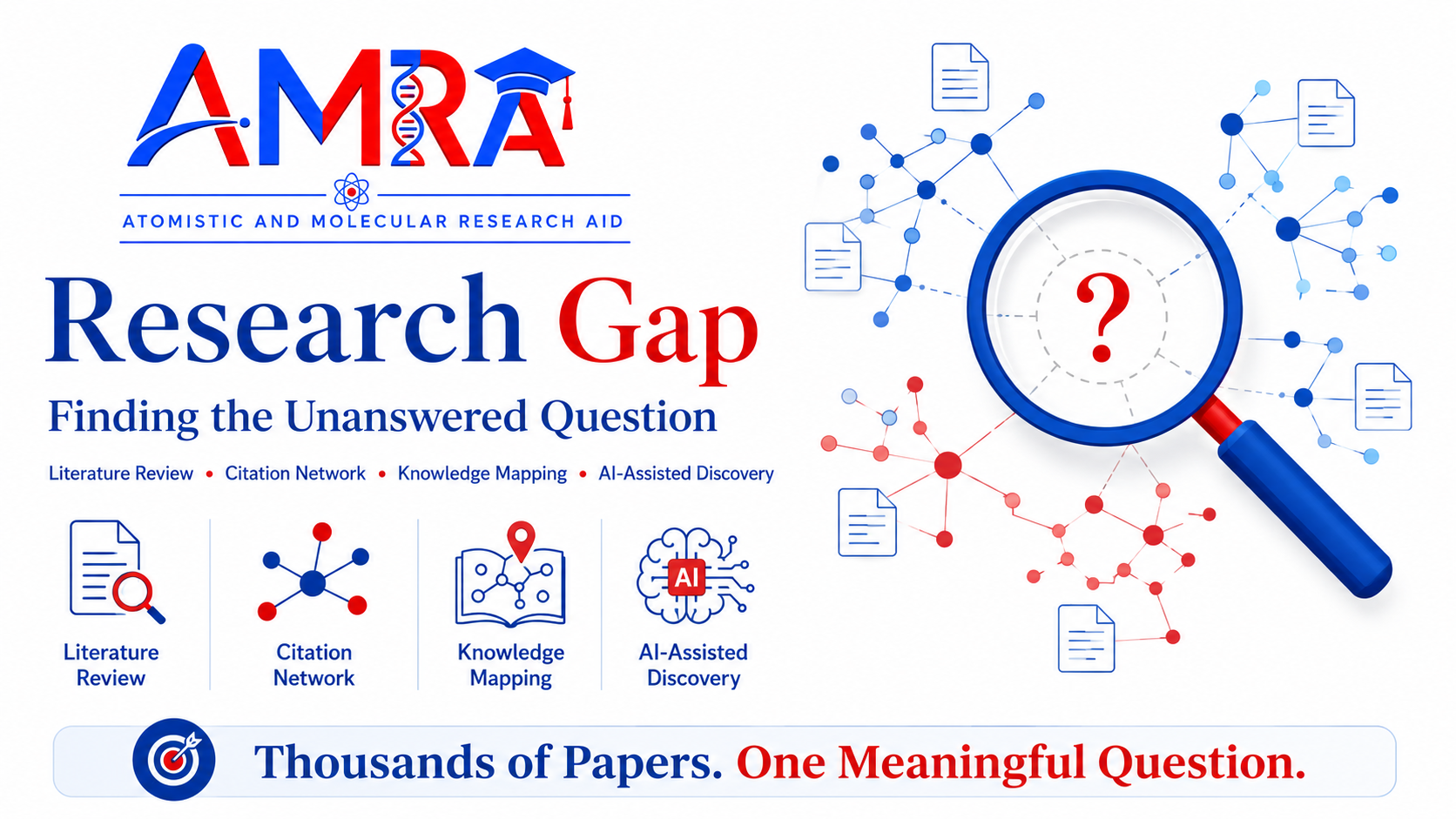
হাজার হাজার Research Paper-এর ভিড়ে আসল Research Gap খুঁজে বের করবেন কীভাবে?
আধুনিক গবেষণায় সফল হতে হলে শুধু Paper পড়লেই হবে না; বুঝতে হবে কোন Paper কোন ধারণাকে প্রভাবিত করেছে, কোন ক্ষেত্র দ্রুত এগোচ্ছে, কোন প্রশ্নের উত্তর পাওয়া গেছে, আর কোন গুরুত্বপূর্ণ প্রশ্ন এখনও অমীমাংসিত। Literature Review এখন আর শুধু reading exercise নয়; এটি একটি data-driven knowledge discovery process.
সমস্যা তথ্যের অভাব নয়; সমস্যা সঠিক তথ্য নির্বাচন করা
আজ একটি নির্দিষ্ট গবেষণা বিষয়ের ওপর কয়েক হাজার, কখনও কয়েক লক্ষ Research Paper কয়েক সেকেন্ডেই পাওয়া যায়। তাই গবেষকের সবচেয়ে বড় চ্যালেঞ্জ এখন আর “Paper খুঁজে পাওয়া” নয়; বরং “কোন Paper সত্যিই গুরুত্বপূর্ণ” তা বুঝতে পারা।
অনেক শিক্ষার্থী শত শত PDF ডাউনলোড করে, সারসংক্ষেপ পড়ে, reference জমা করে; কিন্তু শেষে শক্তিশালী Research Gap নির্ধারণ করতে পারে না। কারণ তারা information collect করে, কিন্তু knowledge structure বুঝে না।
একজন দক্ষ গবেষক Paper পড়েন না শুধু—Paper-এর সম্পর্কও পড়েন
Research Gap খুঁজে বের করতে হলে citation, co-citation, bibliographic coupling, keyword co-occurrence, author network, funding trend এবং emerging topic—সবকিছু একসাথে বিশ্লেষণ করতে হয়।
Knowledge Structure
একটি research field কোথা থেকে শুরু হয়েছে, কোন concept শক্তিশালী হয়েছে, কোন theory বা method ভিত্তি তৈরি করেছে— এগুলো বোঝা ছাড়া Literature Review অসম্পূর্ণ।
Citation Relationship
কোন Paper কোন Paper-কে support, extend, contrast বা challenge করছে—এই সম্পর্কগুলো বুঝলে hidden gap পরিষ্কার হয়।
Research Gap Discovery
Gap মানে শুধু “কম কাজ হয়েছে” নয়; বরং এমন প্রশ্ন যা scientific value, novelty, feasibility এবং real-world impact বহন করে।
Literature Review-এর মূল প্রশ্নগুলো
একটি শক্তিশালী review researchers-কে শুধু পূর্বের গবেষণা জানায় না; বরং ভবিষ্যৎ গবেষণার দিক নির্দেশনা দেয়।
গবেষণা ক্ষেত্র কোথা থেকে শুরু হয়েছে?
কোন ধারণাগুলো সবচেয়ে বেশি প্রভাব ফেলেছে?
কোন প্রশ্নগুলোর উত্তর পাওয়া গেছে?
কোন প্রশ্নগুলো এখনও অমীমাংসিত?
একই Research Field থেকেও শক্তিশালী Gap পাওয়া যায়—যদি Network দেখা যায়
Example 01: AI-based Disease Diagnosis
Google Scholar-এ কয়েকটি keyword লিখে Paper পড়লে মনে হতে পারে topicটি নতুন। কিন্তু citation graph দেখলে দেখা যেতে পারে একই ধরনের diagnostic model ইতোমধ্যে হাজার হাজার গবেষণায় করা হয়েছে।
- Explainable AI কি চিকিৎসকদের decision-making trust বাড়াতে পারে?
- বাংলাদেশের মতো low-resource healthcare setting-এ AI কতটা কার্যকর?
- Small and imbalanced dataset-এ AI model কতটা reliable?
- Bias, ethics, accountability এবং clinical validation কীভাবে নিশ্চিত হবে?
Example 02: Machine Learning Research
Machine Learning-এ অনেকেই নতুন algorithm প্রস্তাব করেন। কিন্তু citation mapping দেখলে বোঝা যায়, অনেক ক্ষেত্রে algorithm-এর ঘাটতি নয়, প্রকৃত ঘাটতি বাস্তব data, explainability, deployment এবং ethical use-এ।
- Real-life data collection এবং external validation-এর ঘাটতি
- Low-resource language support ও local dataset limitation
- Energy-efficient computing এবং sustainable AI-এর প্রয়োজন
- Responsible AI, ethical AI এবং explainable decision system
Research Gap খোঁজার ৭ ধাপের Practical Workflow
শুধু Paper download নয়; structured discovery, citation analysis, AI-assisted screening এবং critical thinking—সব একসাথে ব্যবহার করতে হবে।
Topic Boundary নির্ধারণ
Broad topic লিখবেন না। Disease, target, method, population, dataset, region, mechanism বা application অনুযায়ী topic সীমিত করুন।
Seed Paper নির্বাচন
৫–১০টি high-quality recent review, highly cited paper এবং method paper নির্বাচন করে field-এর starting point তৈরি করুন।
Backward & Forward Citation
Seed paper কোন পুরনো কাজ cite করেছে এবং পরবর্তীতে কোন নতুন paper seed paper cite করেছে—দুই দিকেই literature explore করুন।
Citation Network Mapping
Connected Papers, ResearchRabbit, Litmaps, VOSviewer বা CiteSpace ব্যবহার করে cluster, author group এবং concept movement দেখুন।
Emerging Trend শনাক্ত
কোন keyword দ্রুত বাড়ছে, কোন method নতুন, কোন dataset repeatedly used হচ্ছে, কোন issue underexplored—এসব চিহ্নিত করুন।
Gap Validation
সম্ভাব্য gap পাওয়া মাত্র সিদ্ধান্ত নেবেন না। Scite, Elicit, Consensus, Semantic Scholar দিয়ে claim, evidence ও contradiction যাচাই করুন।
Research Question তৈরি
Gap-কে measurable research question-এ রূপান্তর করুন: What, Why, How, Dataset, Method, Validation এবং Expected Contribution পরিষ্কার করুন।
Novelty + Feasibility Check
Gap যদি scientifically important হয় কিন্তু data, method, time বা resources না থাকে—তাহলে সেটি practical project নাও হতে পারে।
Literature Review, Citation Network ও AI Research Discovery Tools
নিচের toolsগুলো Paper search, citation graph, evidence checking, systematic review, bibliometric mapping এবং knowledge discovery-তে সহায়ক।
Semantic Scholar
AI-powered scientific literature discovery, citation context, related papers এবং research understanding-এর জন্য।
Connected Papers
একটি seed paper থেকে visually related papers, prior works ও derivative works খুঁজতে সহায়ক।
ResearchRabbit
Paper collection, author network, similar works এবং discovery flow তৈরি করতে ব্যবহারযোগ্য।
Litmaps
Literature map, new paper tracking এবং research landscape update বুঝতে সহায়ক।
Scite
Smart Citation দিয়ে কোন paper support, mention বা contrast করছে তা বোঝার জন্য উপকারী।
Elicit
Systematic review screening, paper extraction, research question-based search ও evidence table তৈরিতে সহায়ক।
Consensus
Peer-reviewed literature থেকে question-based answer, evidence summary এবং claim checking-এর জন্য।
OpenAlex
Works, authors, institutions, venues, funders এবং scholarly relationship বিশ্লেষণে open research database।
Dimensions
Publications, patents, grants, clinical trials এবং research impact একসাথে দেখতে সহায়ক।
VOSviewer
Citation, co-citation, co-authorship, keyword co-occurrence এবং term map visual analysis-এর জন্য।
CiteSpace
Scientific literature-এর emerging trend, burst keyword, cluster এবং knowledge evolution বিশ্লেষণে ব্যবহৃত।
Google Scholar
Basic paper search, citation count, related articles এবং manual literature tracking-এর জন্য পরিচিত starting point।
AI ব্যবহার করলেই Literature Review শেষ হয়ে যায়—এটি ভুল ধারণা
AI Paper খুঁজে দিতে পারে, summary দিতে পারে, citation pattern দেখাতে পারে এবং সম্ভাব্য gap-এর ইঙ্গিত দিতে পারে। কিন্তু কোন gap সত্যিই গুরুত্বপূর্ণ, কোন problem scientifically valuable, কোন research society-তে impact তৈরি করতে পারে— এই judgment এখনও মানুষের critical thinking, domain knowledge এবং research maturity-এর ওপর নির্ভরশীল। AI গবেষকের replacement নয়; বরং দক্ষ গবেষকের capability multiplier.
একটি Research Gap সত্যিই শক্তিশালী কি না বোঝার Checklist
প্রকৃত প্রশ্ন হলো—কতগুলো Paper পড়লেন নয়; আপনি কি সেই একটি গুরুত্বপূর্ণ প্রশ্ন খুঁজে পেয়েছেন?
ভবিষ্যতের সফল গবেষক সেই ব্যক্তি, যার কাছে সবচেয়ে বেশি Paper আছে—এমন নয়। সফল গবেষক সেই ব্যক্তি, যিনি হাজার হাজার Research Paper-এর ভিড়ে থেকেও দ্রুত বুঝতে পারেন কোন প্রশ্নটি এখনও অমীমাংসিত, কোন relation hidden আছে, কোন trend emerging, এবং কোন idea নতুন discovery-তে রূপ নিতে পারে।
Start Research Gap DiscoveryTo understand those crucial facts in English
How to Find the Real Research Gap Inside Thousands of Papers
Modern research is no longer limited by lack of information. The real challenge is to identify meaningful unanswered questions, map the evolution of knowledge, and convert scattered literature into a focused, publishable, and scientifically valuable research direction.
Read Bengali Explanation
Research is not suffering from lack of papers; it is suffering from lack of structured interpretation.
A researcher may collect hundreds of PDFs, read dozens of abstracts, and still fail to define a strong research gap. The reason is simple: information collection is not the same as knowledge discovery.
Information Overload
Thousands of papers are available within seconds, but not all papers carry equal value. The first challenge is to filter noise, repetition, outdated methods, and weak evidence.
Read Bengali Explanation
Hidden Relationships
The real story of a research field is often hidden between papers: who influenced whom, which idea evolved, and which problem remained unresolved.
Read Bengali Explanation
Weak Gap Selection
Many beginners confuse “less studied topic” with “research gap.” A strong gap must be novel, evidence-based, feasible, impactful, and scientifically meaningful.
Read Bengali Explanation
What a modern literature review must reveal
Click each section to understand how professional researchers move beyond summary writing and build a true knowledge map.
1. Origin of the Research Field
A strong literature review begins by identifying the intellectual origin of the field: the earliest concepts, foundational theories, first experimental or computational models, and the papers that shaped the direction of future work.
- Identify foundational papers and landmark discoveries.
- Track how the topic evolved from basic observation to advanced methodology.
- Separate historical importance from current scientific relevance.
Read Bengali Explanation
2. Citation Network and Knowledge Flow
Citation networks reveal how knowledge moves. A paper may be highly cited because it introduced a method, challenged a theory, created a dataset, or became a standard reference in the field.
- Use backward citation to find the intellectual foundation.
- Use forward citation to see how later researchers extended the work.
- Use citation clusters to detect dominant and underexplored areas.
Read Bengali Explanation
3. Emerging Trends and Research Saturation
A field may look promising, but it can already be saturated. Modern review should detect whether a topic is growing, declining, repetitive, or transforming into a new interdisciplinary area.
- Check rapidly increasing keywords and new methodology clusters.
- Detect overused datasets, repeated models, and duplicated objectives.
- Find where the field is moving next, not only where it has already been.
Read Bengali Explanation
4. Evidence Quality and Contradiction
Research gaps often appear where evidence is weak, contradictory, population-specific, poorly validated, or dependent on narrow experimental/computational conditions.
- Compare claims across multiple papers, not only abstracts.
- Identify conflicting results and missing validation.
- Separate strong evidence from assumption-based conclusions.
Read Bengali Explanation
5. Real-World Context and Impact
A publishable research gap becomes stronger when it connects scientific novelty with real-world relevance: local disease burden, low-resource settings, neglected populations, ethical limitations, or translational potential.
- Ask whether the problem matters beyond publication.
- Check whether the gap is relevant to society, health, environment, or technology.
- Prioritize problems that can create practical and scientific contribution.
Read Bengali Explanation
A professional step-by-step workflow for discovering a publishable research gap
This workflow converts scattered papers into a clear research question, testable hypothesis, and journal-oriented project direction.
Define a Narrow Research Boundary
Convert a broad topic into a precise boundary using disease, target, method, dataset, population, material, environment, or mechanism.
Read Bengali Explanation
Select High-Quality Seed Papers
Start with recent reviews, landmark papers, highly cited methods, and papers from reputable journals to build the first knowledge base.
Read Bengali Explanation
Perform Backward and Forward Citation Tracking
Backward citation reveals the foundation. Forward citation reveals how later studies developed, challenged, or extended the idea.
Read Bengali Explanation
Build a Citation and Concept Map
Use visual mapping to identify clusters, influential authors, repeated keywords, emerging concepts, and isolated underexplored areas.
Read Bengali Explanation
Evaluate Evidence, Method, and Limitations
Compare sample size, dataset quality, validation strategy, reproducibility, assumptions, computational method, and experimental design.
Read Bengali Explanation
Identify the True Gap
A true research gap may be a missing mechanism, weak validation, neglected population, low-resource context, conflicting evidence, or untested method.
Read Bengali Explanation
Convert Gap into a Research Question
Transform the gap into a precise question with measurable variables, method, dataset, expected outcome, and scientific contribution.
Read Bengali Explanation
Check Novelty, Feasibility, and Journal Fit
Before starting the project, check whether the idea is new, practical, resource-compatible, ethically acceptable, and suitable for target journals.
Read Bengali Explanation
A strong gap must pass these six scientific filters
Read Bengali Explanation
Read Bengali Explanation
Read Bengali Explanation
Read Bengali Explanation
Read Bengali Explanation
Read Bengali Explanation
AI is not a replacement for researchers. AI is a research capability multiplier.
AI tools can search papers, summarize evidence, detect citation patterns, and suggest possible research gaps. However, deciding which gap is scientifically meaningful, ethically responsible, feasible, and impactful still requires human expertise, domain knowledge, and critical reasoning.
Read Bengali Explanation
AI, citation network, and literature discovery tools for modern researchers
These tools help researchers move from manual PDF collection to structured discovery, evidence mapping, and research intelligence.
Semantic Scholar
Useful for discovering scientific papers, related works, citation context, and AI-supported literature exploration.
Open Tool →Bengali
Connected Papers
Useful for visualizing related papers around a seed paper and exploring prior and derivative research paths.
Open Tool →Bengali
ResearchRabbit
Helpful for building collections, tracking authors, finding similar works, and exploring research networks visually.
Open Tool →Bengali
Litmaps
Useful for literature mapping, citation tracking, and monitoring new papers connected to a research field.
Open Tool →Bengali
Scite
Useful for understanding whether later papers support, mention, or contrast a scientific claim.
Open Tool →Bengali
Elicit
Helpful for research question-based paper search, systematic screening, extraction tables, and evidence organization.
Open Tool →Bengali
Consensus
Useful for question-based evidence search and quick understanding of what peer-reviewed literature suggests.
Open Tool →Bengali
OpenAlex
Useful for exploring works, authors, institutions, venues, concepts, funders, and scholarly relationships.
Open Tool →Bengali
Dimensions
Helpful for connecting publications with grants, patents, clinical trials, datasets, and broader research impact.
Open Tool →Bengali
VOSviewer
Useful for citation, co-citation, co-authorship, keyword co-occurrence, and visual bibliometric networks.
Open Tool →Bengali
CiteSpace
Useful for detecting emerging trends, burst keywords, research clusters, and evolution of scientific knowledge.
Open Tool →Bengali
Google Scholar
Useful as a starting point for finding papers, citation counts, related articles, and basic academic search.
Open Tool →Bengali
The future researcher is not the one who reads the most papers. The future researcher is the one who finds the most meaningful unanswered question.
True research begins when information becomes knowledge, knowledge becomes insight, and insight becomes a precise, testable, and impactful research question. In the age of AI-assisted discovery, the strongest competitive advantage is not access to papers; it is the ability to extract meaning from the relationships between them.
Start Research Gap Discovery